- 43,297 contacts on John Crestani's Super Affiliate System list were not being mailed.
- Sending repaired first, then Jon Weberg segmented the list and rebuilt the sequences.
- 1 text channel was built from nothing, timed against the email calendar.
- $10,000 to $30,000 a week is what the list paid.
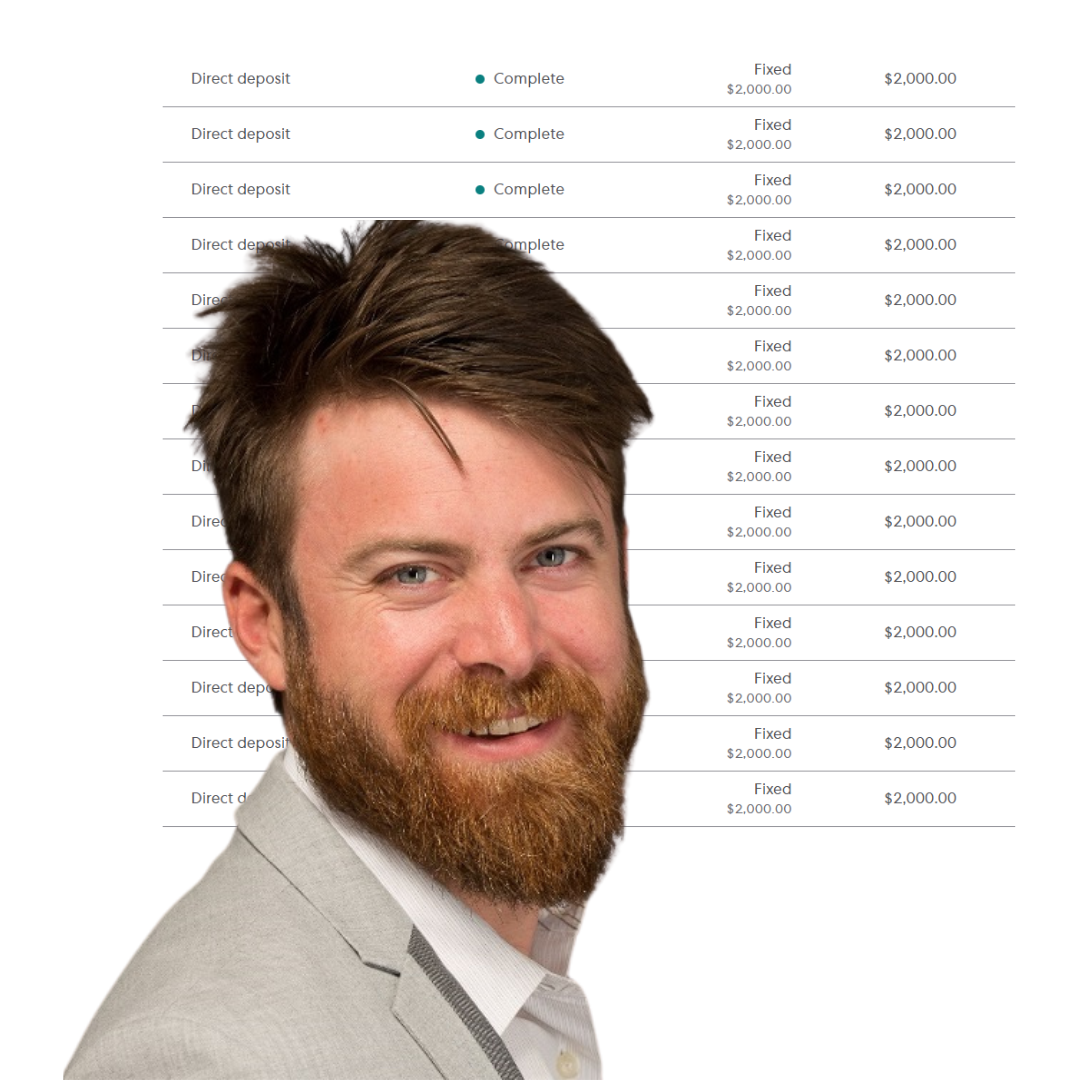
- 15 straight weeks of it, all revenue from the list.
Why was nobody mailing 43,297 contacts?
John Crestani's Super Affiliate System had 43,297 buyers, subscribers and prospects on a list nobody was working, with mail landing outside the inbox and no text channel.
You paid for every one of those contacts, didn't you, and most of them would still recognize the name in the From line, wouldn't they, so a list like this one is the strangest asset in a business: already bought, already warm and hearing nothing, while your week goes to whatever launches next.
How many contacts on your list have not heard from you in 180 days, and what did you pay to get each one?
Which seam was leaking?
The seam was Seam 03, Capture to Contact: a list belongs to no department, so it earned whatever was left after everything else was done, which was nothing.
The people who captured those contacts and the people who could contact them sat in different jobs, so the handoff between them, the one in The Thirteen Seams where a captured contact is supposed to hear from someone, had no name beside it. List reactivation is what that handoff looks like once it has an owner, and the wider method for who contacts whom, and how fast, sits on the lead routing seam.
What did Jon Weberg repair first?
Jon Weberg repaired the sending and deliverability in Klaviyo first, so mail reached the inbox again before a single sequence went out.
The order is the whole point, because a list that has gone quiet is only as good as the inbox it lands in, and repairing the sending before the first send meant every sequence that followed reached the people it was written for. The craft behind that habit is in how Jon Weberg learned to send email that got opened, and the opens further down show what that order is worth, don't they?
What did Jon Weberg build, week by week?
Jon Weberg read the whole list, wrote a sequence for each segment (a win back series for the coldest, a softer series for people quiet 60 to 180 days, a separate series for past buyers) and tested subject lines throughout.
| Week | What was done | Channel | Result |
|---|---|---|---|
| Week 0 | Sending and deliverability repaired | Email, Klaviyo | Mail reaching the inbox again |
| Week 0 | Whole list read: who bought, who did not, who was recent, who had gone quiet | Segments defined | |
| Week 0 | Win back, 60 to 180 day and past buyer sequences written, subject lines tested | One sequence per segment | |
| Week 0 | Text channel built from nothing, timed against the email calendar | Text | Non openers reachable |
| Weeks 1 to 15 | Sequences and texts running | Email and text | $10,000 to $30,000 a week |
A past buyer, a subscriber who drifted last spring and a prospect who never bought want three different messages, so which segment of your own list would answer a win back email this Tuesday?
Why add a text channel?
Jon Weberg built a text channel from nothing, timed against the email calendar, so people who no longer opened email were reached by text and bought.
How many of your past buyers stopped opening email long ago and still read every text that lands on their phone? When the text arrives the same day as the email, each one carries the other, doesn't it?
What did the list pay, and where is the receipt?
The list paid $10,000 to $30,000 a week for fifteen straight weeks, completed by January 2024.
For fifteen straight weeks, from 43,297 contacts nobody was mailing. Revenue from the list.
| Measure | Before | After |
|---|---|---|
| People being worked | 0 | 43,297 |
| Emails opened | About 5% | 20% to 23% |
| Emails clicked | About 0.1% | 2% to 3% |
| Weekly revenue | None from the list | $10,000 to $30,000 |
| Straight weeks | 0 | 15 |
Picture fifteen deposits in a column, the smallest of them $10,000, every one from people the business already owned, so what would a quarter like that do to the way you plan your next one?
Where does this sit in The Thirteen Seams?
This engagement closed Seam 03, Capture to Contact, the handoff between the people who capture a contact and the people who contact it.
It is the same shape as the Frank Kern case study, where the money was sitting in a pipeline already paid for, and here the size of the list mattered less than the fact that it finally had an owner, which is why the reference worth carrying is the weekly deposit, not the contact count.
What is the list you already paid for worth this quarter?
Your own list is the same seam: the buyers from two years ago and the subscribers who went quiet last spring were paid for once and are hearing nothing.
If 43,297 unmailed contacts paid $10,000 to $30,000 a week, what is yours paying this week, and who in your company owns it on a Monday morning? Forty five minutes on your own list gives you the segments, the order of the repair and a weekly figure, so the next fifteen weeks start from a number instead of a hope, don't they?
In 45 minutes on your own list, you see who on it has gone quiet, what to repair first and what a week of it is worth.
Click the button below.
Answer a few short questions about your list and your sending.
Pick a time on Jon's calendar.
Questions people ask about the John Crestani case study?
How long did the revenue last?
Fifteen straight weeks, at $10,000 to $30,000 every week.
Did the list need new subscribers or ads?
No. The revenue came from the 43,297 contacts already on the list.
What is Super Affiliate System?
Super Affiliate System is John Crestani's affiliate marketing program. Its list held the 43,297 contacts in this case.
What was repaired before anything was sent?
The sending and deliverability in Klaviyo, so mail reached the inbox again before the first sequence went out.
Why were there separate sequences?
Each segment needed its own message: the coldest got a win back series, people quiet 60 to 180 days a softer series, and past buyers their own series.