Fractional CROEvery lead you already paid for answered in 60 seconds, on the call, and paid in full.
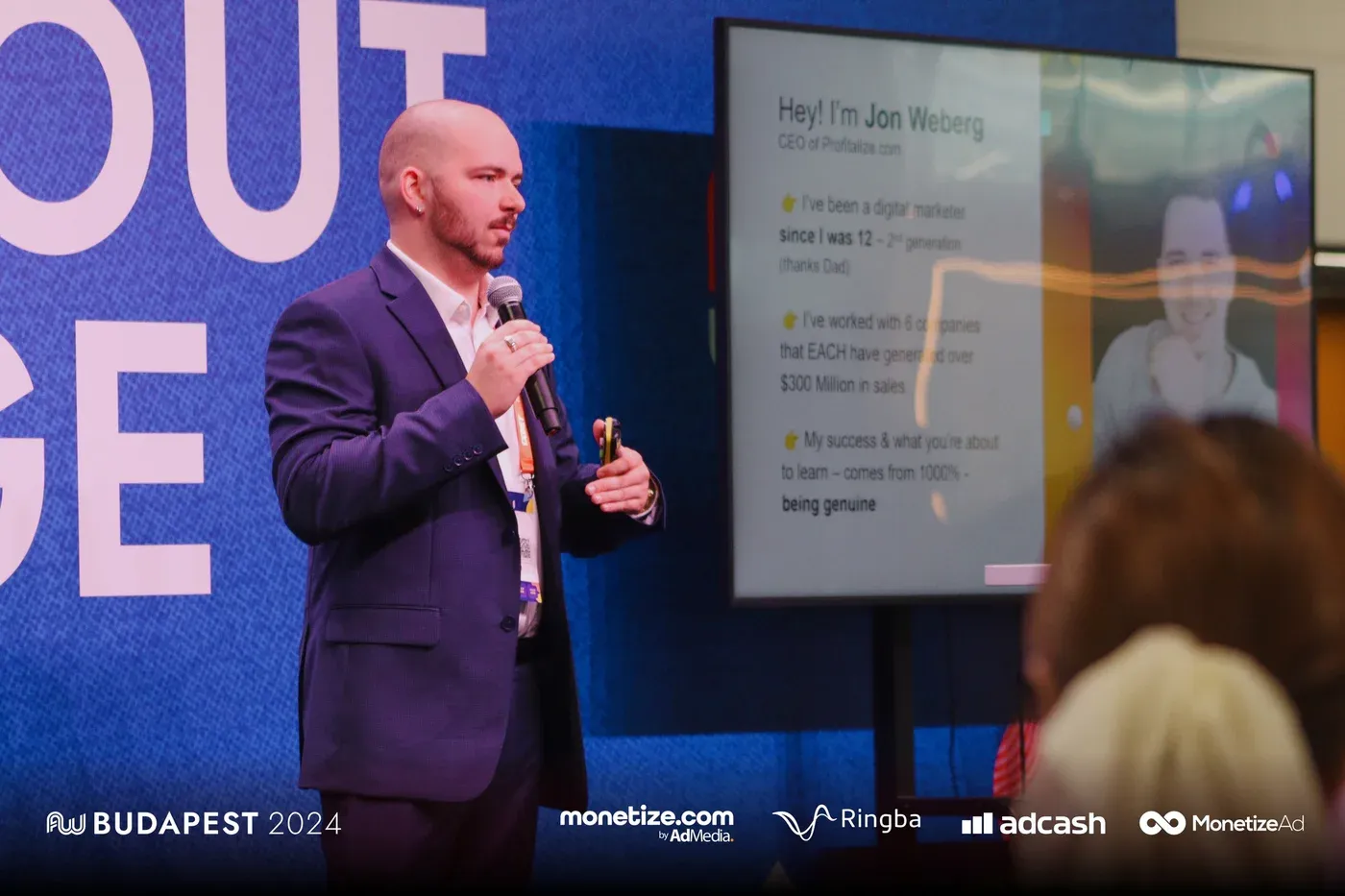
Jon Weberg works as your fractional CRO, one owner for every handoff from first click to collected cash, with each fix built inside your CRM.
The first call prices your three costliest seams on your own numbers.
What is a fractional CRO?
A fractional CRO is a part time chief revenue officer who owns your revenue number and every handoff behind it, from the first ad click to cash in the bank. You already pay for the ads, the setters, the closers and the billing software, and all four report a decent week, so when the bank disagrees you have felt the money slip out between those teams, haven't you? Those spaces are the minutes before a lead hears back, the hours before a booked call, the moment a prospect says no on price and the day a card declines, and Jon builds each fix in the CRM your team already uses, so which of those spaces would you hand over first?
What does a fractional CRO own?
A fractional CRO owns the twelve handoffs between your teams plus the full chain above them, which Jon maps as The Thirteen Seams. When your marketing lead reports CAC, your sales lead reports close rate and finance reports churn, each number looks fine alone, and you still can't say which handoff cost you the most last month, can you? How many of these thirteen have a person's name next to them in your company today?
- Seam 01Spend to attentionCAC and go to market spend tied to real customers.
- Seam 02Attention to capturePricing page visitors captured before they leave.
- Seam 03Capture to contactA human or AI employee reply inside 60 seconds.
- Seam 04Contact to bookingA pipeline where every not yet gets a next offer.
- Seam 05Booking to showReminders and a closer who dials at minute one, so the forecast holds.
- Seam 06Show to closeWin rate, close rate, quota, comp plan and a second offer on every price no.
- Seam 07Close to paymentPayment plans that clear and a save call on every failed card.
- Seam 08Payment to onboardDelivery that matches what the closer promised.
- Seam 09Onboard to retainChurn read from usage, weeks early.
- Seam 10Retain to expandLTV raised by the next right offer.
- Seam 11Expand to advocateIntroductions asked for at the happiest moment.
- Seam 12Advocate to spendReferrals and affiliates with an owner and a budget.
- Seam 13The whole loopYour step out of founder-led sales: one owner, one weekly number, fed by RevOps.
When should you hire a fractional CRO?
Hire a fractional CRO when leads, a sales team and a CRM are already running, revenue has gone flat, and nobody below you answers for the number end to end. At least one of these has shown up in your last 90 days, hasn't it, so which of the six would you circle first?
- Founder-led salesYou still close the biggest dealsPipeline slows whenever you step away.
- ForecastThe forecast and the deposit disagreeNobody can name the stage that broke.
- CACSpend climbs, cash holds stillEach customer costs more to win while the bank balance stays level.
- Close rateBooked calls go quietShow rate and close rate slip, and each gets reviewed in a different meeting.
- Between leadersThe sales chair is emptyYour VP of Sales left, and a full time CRO is out of budget.
- ChurnCancellations surprise youYou learn of failed cards from the bank statement.
When is a fractional CRO the wrong hire?
A fractional CRO is a poor fit when the offer is unproven, lead flow is thin or the sales motion is still forming, because the seat fixes handoffs that already carry volume. You would want to hear that before the first invoice, wouldn't you, so if one of these three fits, which smaller move comes first?
- Too earlyNo repeat buyers yetUnder $1M in yearly revenue, start with the $7 book INSTALL.
- Daily loadA floor needing daily managementReps across regions call for a full time CRO.
- Closed doorsNo access to the dataWith the numbers locked away, nothing can be measured.
Fractional CRO vs full time CRO vs VP of Sales vs consultant: which do you need?
A fractional CRO owns the whole revenue number part time, a full time CRO owns it every day on an executive salary, a VP of Sales owns the reps and their quota, and a consultant advises while your people build. You can place your own gap on this table in under a minute, can't you, so which column matches it?
| Fractional CRO | Full time CRO | VP of Sales | Consultant | |
|---|---|---|---|---|
| Owns | The full revenue number | The same, plus a department | The sales team, pipeline and quota | A recommendation |
| Time | 1 to 3 days a week | Full time | Full time | Project hours |
| Typical cost | $4,800 to $25,000 a month, market range | $295,000 to $350,000 a year before equity | Salary plus commission | Project or hourly fee |
| Start | Inside a week | Months of search and ramp | Weeks to months | Days |
| Best when | Money is lost between teams | Revenue needs daily leadership | Reps need a manager | You want a second opinion |
How does a fractional CRO engagement run?
A fractional CRO engagement typically runs one to three days each week, stays open ended, often 6 to 24 months, and puts your sales leader's number under one owner who reports to you. You keep the final say on price, hiring and budget, so what would you do with the hours you now spend refereeing between marketing and sales?
- Typical days per week1 to 3 at market normsWith Jon, scope is set by seams owned.
- LengthOpen ended, often 6 to 24 monthsLift is measured across 12 months.
- Reporting lineYour sales team reports to the seatSales, marketing and RevOps leaders bring their numbers to one meeting.
- What staysEverything builtRouting, reminders, scripts and AI employees keep running once Jon steps out.AI Seam Architect →
What happens in the first 90 days with a fractional CRO?
Inside 90 days a fractional CRO locks your baseline in week one, closes the costliest seam by day 30 and measures the lift at day 90. By the end of that first week you can see in dollars which handoff costs you the most each month, so how much sooner would you have acted on your last flat quarter with that figure on the table?
Read and baseline
Access to your CRM, ads, billing and calls. Every handoff measured, lead to cash.
Rank and close
Seams ranked by monthly dollars lost. The costliest one rebuilt inside your systems, with AI employees where they fit.
Measure and compound
Lift measured on the week one baseline, then the next seam.
How much does a fractional CRO cost?
A fractional CRO costs $4,800 to $25,000 a month at market rates, and Jon's consulting runs $40,000, $60,000 or $85,000 a month at one, three or all thirteen seams. This seat owns the number and builds the fix, which is why the fee follows seam depth and a share of it moves with your collected revenue, so how does that fee look beside the dollars your open seams lose each month?
$40,000 / $60,000 / $85,000
Set by how many seams the seat owns each month.
From $30,000
One seam rebuilt and handed over running; $85,000 for three, $150,000 for all thirteen.
15% of the lift, 10X ROI
15% of incremental collected revenue for 12 months against the locked baseline. 10X ROI on the fee, conditioned on proper tracking and reporting being in place.
What has Jon collected as a fractional CRO and operator?
Jon's record as a fractional CRO and operator is the money that cleared below, and every figure is sourced on the case studies page. You have sat through enough activity reports, haven't you, so which of these looks most like the month you want next?
- $70M co.AI AcquisitionA $70M a year company where Jon was Fractional President until September 2026, directed its Sales, Marketing and Media Buying Directors and built the entire custom CRM the company still runs on. Show rate 19% to 43% in about a month, then $1,322,312 collected in one month after the show rate seam was rebuilt.
- 28 daysTax Strategists of America$1,790,467 collected in 28 business days after the sales floor rebuild.
- 15 weeksJohn Crestani$10k to $30k per week in profit from his email list, 15 straight weeks.
- 3 daysFrank Kern$41,253 in 3 days from buyers of an $8,600 program who said they could not afford it.
- ProfitCoach KyleAt minimum $374,942 made, $310,129 of it profit; his webinar, sales and follow up still run on what Jon's team built.
- All profitTraffic Authority$148,368, all profit.
How do you choose a fractional CRO?
Choose a fractional CRO by asking six questions about ownership, proof and what remains after they leave. You will hear polished replies on every call, so who speaks in dollars that cleared, and who speaks in meetings held?
- Question 1Which number will you own?Cash that cleared, from a fixed starting point.
- Question 2Who does the building?The seat, inside your CRM, or your already busy staff.
- Question 3What cleared for your last three clients?Dollar figures and timeframes you can check.
- Question 4How do you get paid?A fee that moves with the lift shows who carries the risk.
- Question 5Who does my sales leader report to?One line of authority, agreed on day one.
- Question 6What stays when you go?Systems that keep running, written down.
What should you read before hiring a fractional CRO?
Read the basics and the cost breakdown first, then the comparison that matches your situation. Which question is holding up your decision, the cost, the kind of seat or how it fits the company you already run?
- BasicsWhat is a fractional CROThe seat, what it owns and how it differs.Read →
- BasicsWhat does a fractional CRO doThe work, week by week, lead to cash.Read →
- TimingWhen to hire a fractional CROThe signs it pays, and when it is too early.Read →
- HiringHow to hire a fractional CROSix steps from your number to signed terms.Read →
- CostFractional CRO costRates, retainers, revenue share and how to price the leak.Read →
- CompareFractional CRO vs full time CROCost, speed and which fits your stage.Read →
- CompareFractional CRO vs VP of SalesWho owns what, and which to hire first.Read →
- CompareFractional CRO vs interim CROWhich to hire, and when.Read →
- CompareFractional CRO vs fractional CMODemand or revenue: which seat first.Read →
- MetricsFractional CRO KPIsThe numbers to hold the seat to, week by week.Read →
- PlanFractional CRO first 90 daysWhat should exist by day 7, 30 and 90.Read →
- EOSFractional CRO for EOS companiesThe revenue seat next to your Integrator.Read →
- CompareFractional CRO agencies vs one operatorA bench and a replacement, or one owner who builds.Read →
- Small businessFractional CRO for a small businessWhen it pays, and when it is too early.Read →
- Home servicesFractional CRO for home servicesMissed calls, speed to lead and booked jobs.Read →
- CoachingBest fractional CRO for coaching businessesFive checks before you hire.Read →
- AgenciesMarketing agency not getting resultsTwelve reasons, and the five numbers to check.Read →
Fractional CRO questions owners ask first.
What is a fractional CRO?
How much does a fractional CRO cost?
How many hours per week does a fractional CRO work?
How long does a fractional CRO engagement last?
Does a fractional CRO manage the sales team?
Can a fractional CRO hire the full time CRO?
Fractional CRO vs fractional CMO: what is the difference?
Fractional CRO vs RevOps: what is the difference?
Is a fractional CRO worth it for a small company?
What KPIs does a fractional CRO own?
Who is Jon Weberg?
Is there a guarantee?
How do I start?
The leads you already paid for, finally turning into cash that clears.
Which seam do you want closed first?
Install My AI Seam Architect10X ROI on the fee, conditioned on proper tracking and reporting being in place.